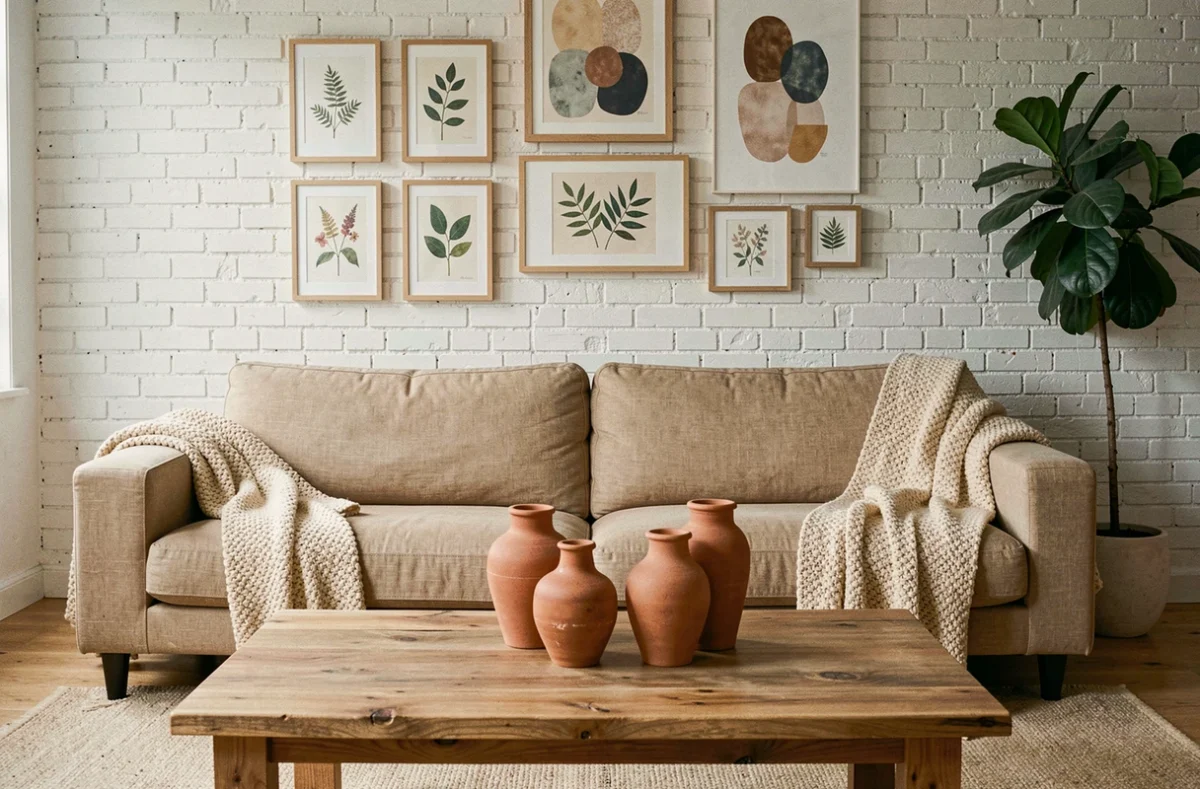
Transforming an interior rarely starts with a purchase. Most spaces already contain objects, furniture and textiles that, when rearranged or repurposed, are enough to radically change the atmosphere of a room. Personalized decorating starts with an honest assessment of what is worth keeping, what can be repaired and what needs to go. The most cohesive decorating ideas emerge from this inventory.
Salvaged objects or reclaimed materials: two distinct approaches to decorating
A picture frame found at a flea market, an inherited vase or a reupholstered armchair can be assessed by its appearance and immediate usability. Incorporating one into an interior poses no particular technical challenge: inspect it, clean it and find a place for it.
The situation changes as soon as a reclaimed material becomes part of the building itself. An old beam turned into a wall shelf, reclaimed parquet flooring or reused cement tiles raise questions about provenance, technical specifications and the contractor’s liability. Decorating advice often fails to make this distinction clear, even though it determines how durable the result will be.
| Criterion | Salvaged decorative object | Material incorporated into renovation work |
|---|---|---|
| Inspection | Appearance, cleanliness, sturdiness | Technical specifications, standards, traceability |
| Liability | Buyer alone | Contractor responsible for installation |
| Main risk | Aesthetic disappointment | Structural or health-related defect |
| Common example | Antique mirror, vintage tableware | Reclaimed structural timber, antique terracotta tiles |
Browsing Tip Top Déco et Maison’s decorating section shows just how much approaches vary depending on whether you’re dealing with accessories or structural materials. The rule of thumb: the closer an item is to the building itself, the greater the need for technical scrutiny.
Decorating your home with what you already own: where to start
Before opening a catalogue, try gathering all the decorative items in your home in one room. Textiles, picture frames, ornaments and lighting: bringing them together reveals duplicates, unexpected combinations and pieces forgotten at the back of a cupboard.
Sort by function, not by style
Sorting by style (Scandinavian, bohemian, industrial) can lock you into an artificial framework. Sorting by function frees up your creativity.
- Group items that diffuse light (lamps, candles, mirrors) to brighten a dark corner
- Compare textiles (cushions, throws, curtains) to identify a cohesive colour palette—or create a deliberate contrast
- Assess vertical elements (picture frames, shelves, hanging plants) together to balance the walls without overcrowding them
Rearranging what you already own can have the same impact as buying something new, without spending money or creating waste. Keeping and transforming existing furniture is more effective than simply turning to second-hand shopping when it comes to reducing furniture turnover.
Repair rather than replace
A sticking drawer, a wobbly leg, worn fabric: these minor flaws often prompt people to buy an entirely new piece of furniture. Sanding, regluing or re-caning can restore the function and appearance of pieces that need only a little targeted care.
Repairing a piece of furniture extends its lifespan by several years and gives it a patina that new furniture cannot replicate. This approach supports lasting comfort and steers clear of the buy-and-replace cycle.
Wooden furniture and European regulations: what buyers need to know
Buying new wooden furniture is no longer just a matter of taste. The European Union’s regulation on deforestation-free products now covers certain categories of wooden furniture. This regulatory criterion goes beyond the sustainability claims made by brands.
In addition, the ESPR Regulation (EU) 2024/1781, which entered into force in July 2024, lays the groundwork for ecodesign requirements for a wide range of products. The 2025–2030 European working plan includes specific work on furniture. The detailed requirements will depend on dedicated measures, and the indicative timeline does not yet impose an immediate obligation on buyers. Nevertheless, the information available about new furniture is expected to gradually expand to include details such as wood origin, repairability and composition.
For anyone furnishing their home with new furniture, these changes mean that a piece sold with complete traceability information offers an additional assurance compared with a product without documentation. This is not an aesthetic detail, but a verifiable indicator of quality.
Personalize a space without changing everything: high-impact decorating ideas
A few targeted updates can transform an interior more effectively than a poorly coordinated full makeover.
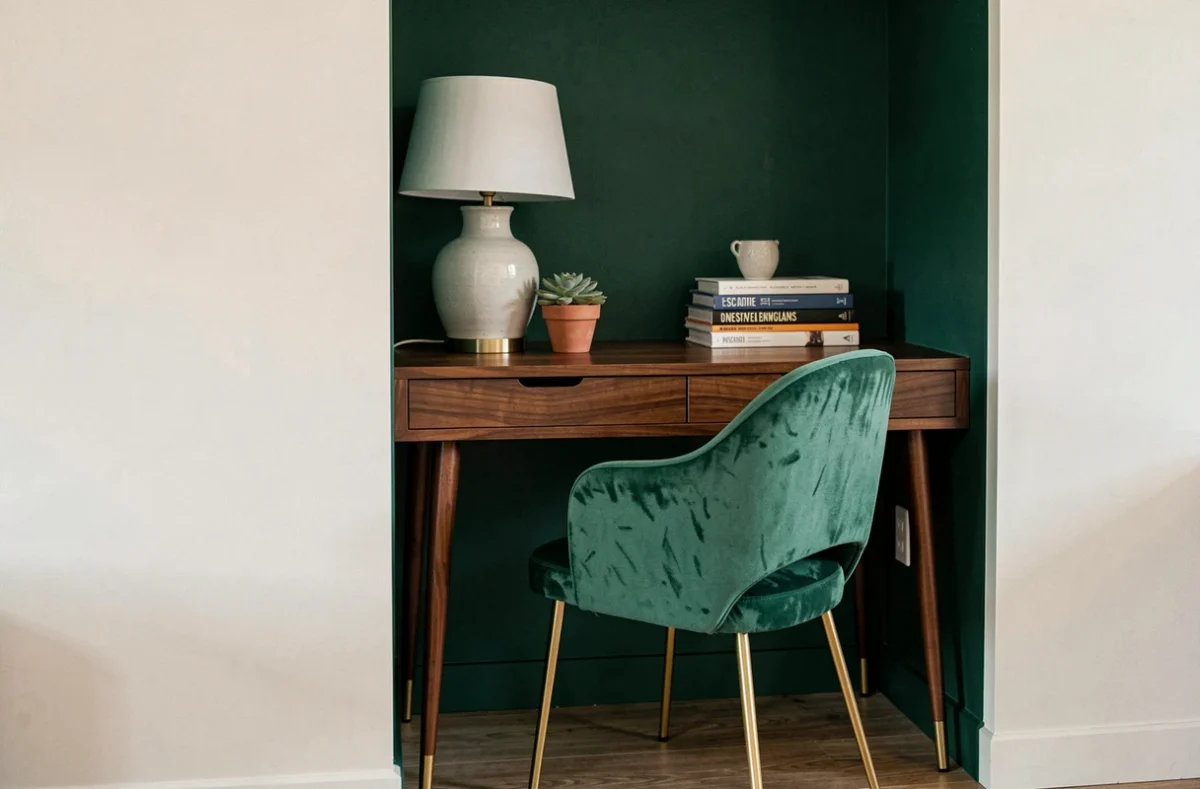
Painting a single wall changes how we perceive the depth of an entire room. A wall in a bold shade opposite the main light source creates an immediate focal point. A single accent wall can reshape a space without changing the furniture.
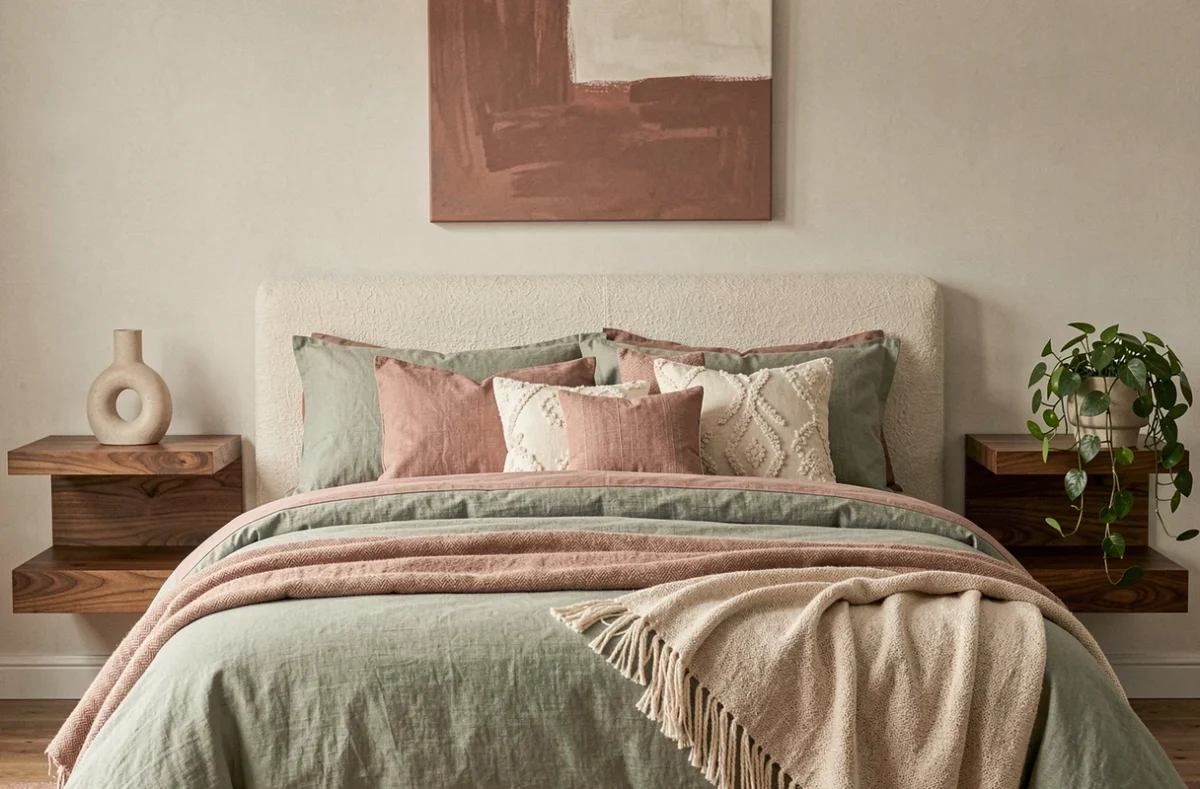
Replacing textiles (cushion covers, curtains, rugs) is the quickest way to make a difference. Natural materials (linen, heavyweight cotton, wool) add elegance and tactile comfort that synthetic fabrics cannot replicate.
- Changing the handles on an old piece of furniture modernizes its look in just a few minutes
- Moving a light fixture from the ceiling to a corner creates a different atmosphere without buying anything
- Grouping picture frames of different sizes on a single wall makes more of an impact than spreading them across several rooms
Personalizing an interior is as much about where you place things as what you choose. Two apartments furnished identically can have completely different atmospheres depending on the layout, lighting and combination of textures.
An interior that reflects your personality isn’t created with a single order. It comes together in layers: keeping what works, repairing what is worth saving and adding only what provides a missing function or feeling. Recent European regulations on wood and ecodesign reinforce this thoughtful approach: a well-documented, durable piece of furniture is better than frequent replacements with no traceability.