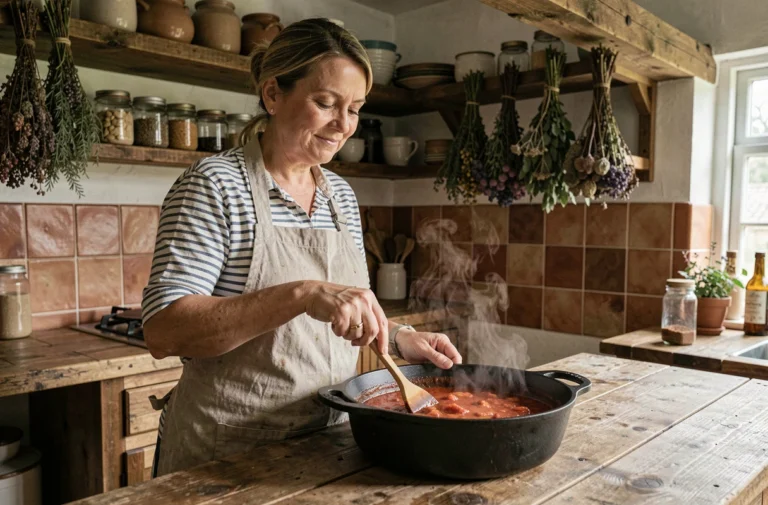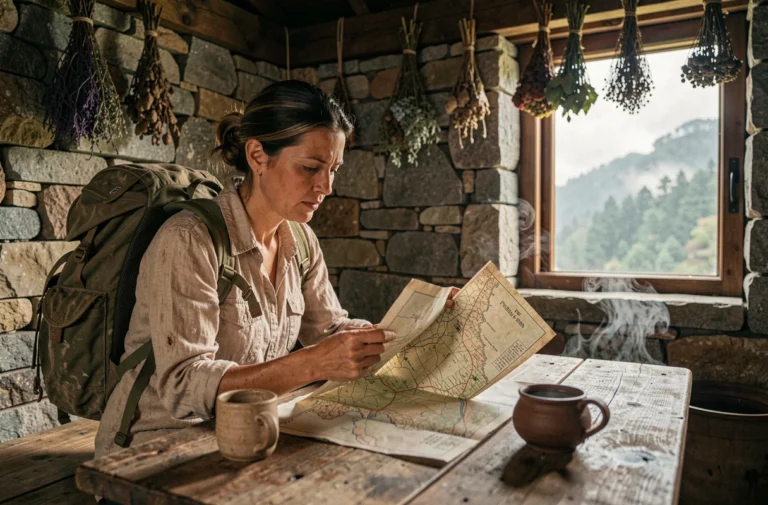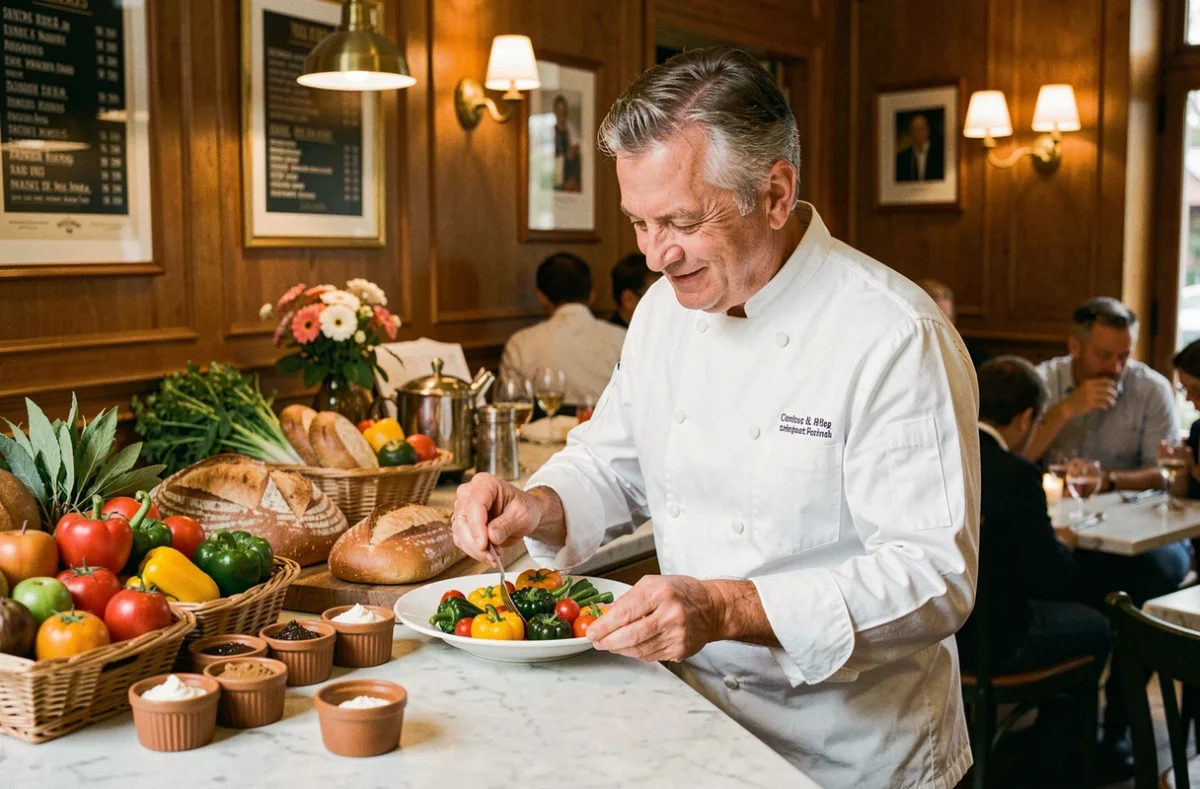
La Cigale et la Fourchette, located in Larnas in southern Ardèche, is more than a traditional restaurant. With its literary café, bread collection point and cultural program, it serves as a small, food-focused community hub rooted in its local area.
Literary café in Larnas: when the dining table becomes a cultural stage
The literary café format, which brings together reading, conversation and food, is still rare in rural communities of this size. The idea is simple: turn mealtime into a cultural experience without creating a large-scale event.
For a restaurant outside an urban center, a literary café serves two purposes. It builds loyalty among local customers, who return as much for the experience as for the food, and generates word of mouth that the menu alone cannot. Follow the latest news from La Cigale et la Fourchette to find out about these events before they sell out.
Literary cafés in rural areas work because they do not try to compete with urban festivals. Instead, they focus on a personal touch, limited seating and an intimate setting.
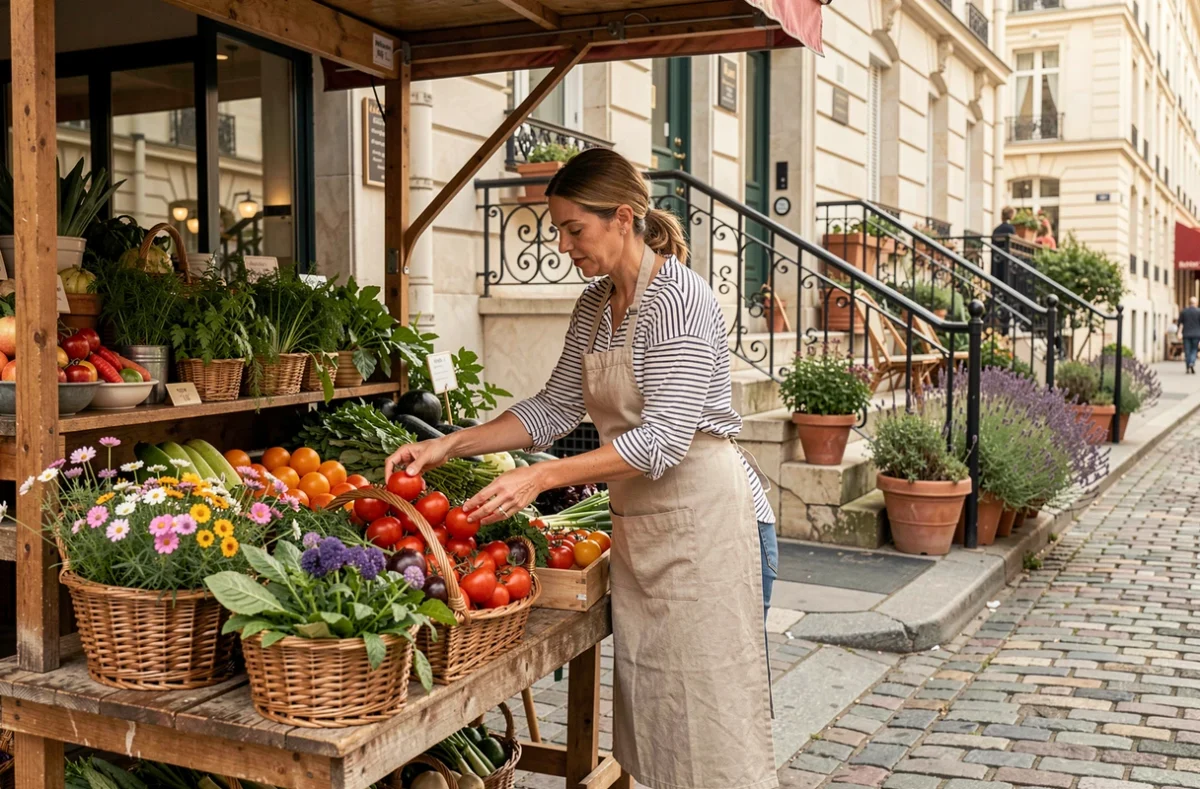
Bread collection point and local sourcing: an additional service that changes customer traffic
The restaurant has been reported to offer a bread collection service. In communities without a bakery, this kind of arrangement changes foot traffic. The restaurant is no longer just somewhere to go for lunch or dinner; it becomes a place to pick up everyday essentials.
This has a direct impact on the establishment’s visibility. Residents who come to collect their bread discover the menu, upcoming events and featured local products. A bread collection point turns a restaurant into a daily point of contact with the local community, going far beyond simply serving food.
This model is taking hold in several Ardèche communities where the last local shop has closed. Restaurateurs who take on this role attract a steady stream of visitors without additional marketing investment.
Ardèche cuisine: reaching audiences beyond the region
Farmers’ fairs and regional food events give Ardèche products a platform beyond the department. These events introduce producers to audiences who may not be familiar with the local area.
For restaurants such as La Cigale et la Fourchette, this regional exposure has an indirect effect. Visitors to these events come to see Ardèche as a food destination and later look for places to eat there. The link between an event elsewhere and local customer numbers is hard to measure, but recommendations build over time.
Ardèche food events: connecting producers and restaurateurs
Ardèche food events bring together producers, activities and community initiatives, setting them apart from traditional farmers’ markets. Restaurateurs who source from these networks can then highlight the origin of their ingredients on the menu—an increasingly popular selling point with customers.
- Farmers’ fairs make it possible to build direct relationships with local suppliers, without going through distribution intermediaries
- Ardèche’s presence at events outside the department raises the region’s profile as a food destination among visitors from further afield
- Community initiatives incorporated into these events attract families as well as seasoned food lovers
Food districts in rural areas: what Larnas reveals about the Ardèche model
The idea of a food district is often associated with Parisian neighborhoods or city centers. In rural areas, the concept works differently. Rather than bringing several venues together on a few streets, it turns a single place into a multifunctional hub: a restaurant, cultural space and local service point.
La Cigale et la Fourchette is a good example of this model. The food is its foundation, but the cultural program and additional services create a local ecosystem that traditional travel guides often miss. This approach appeals to both year-round residents and visitors passing through southern Ardèche.
Terrace and quality of life: the advantage of rural venues
Rural restaurants have a structural advantage that urban establishments cannot replicate: space. A terrace in Ardèche does not face the same constraints as a Parisian sidewalk. The natural surroundings enhance the dining experience without the need for elaborate staging.
A rural terrace can attract customers in its own right, independently of the menu. Visitors who discover Larnas while walking or exploring local heritage stop because the restaurant belongs in its surroundings, not in spite of them.
- The peace and space available make it possible to host events that would be impractical in a city center, such as outdoor readings and themed meals under the trees
- The seasonal use of the terrace naturally shapes the events calendar, with more activities in spring and summer
- With no immediate competition in the village, every passerby is a potential restaurant customer
La Cigale et la Fourchette’s model rests on this combination: cuisine rooted in the Ardèche region, local services and a regular cultural program. It is this combination of roles, more than the quality of the food alone, that explains how a restaurant in Larnas can attract loyal customers for a literary café evening.