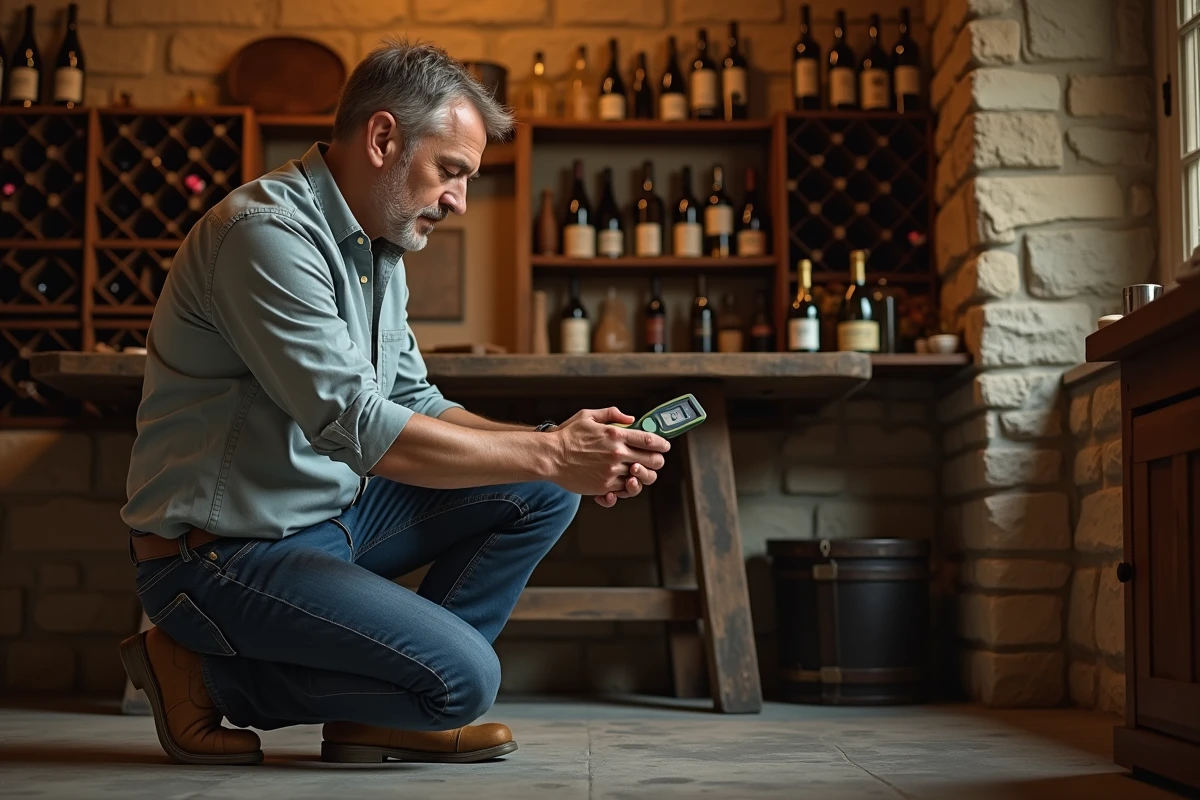
8°C is the temperature of some refrigerators. 18°C is that of certain living rooms in winter. Between these two extremes, most home cellars settle on a reassuring range: 10 to 15°C. However, great red wines can withstand up to 18°C without flinching, at least in the short term. Conversely, dropping below 8°C does not guarantee an improvement: the wine hibernates, but its complexity does not benefit from the change.
White wines, especially those from very aromatic grape varieties, can sometimes surprise if the temperature goes outside their comfort zone. As for sparkling wines, they do not like to play with fire: even the slightest deviation can cost them their finesse.
Why is temperature fundamental for wine preservation?
Controlling the temperature in a wine cellar is not a technical gadget. Wine, a sensitive and living material, reacts to the slightest variation. A simple deviation, even subtle, causes what oenologists dread: thermal shocks. The wine expands, the cork retracts, air seeps in, and oxidation accelerates. The result: aromas fade, structure weakens, and aging potential diminishes.
Setting the ideal temperature for preserving wine between 10°C and 14°C, with 12°C being the reference for most aging cellars, ensures that the wine has the time to develop slowly, without shocks, between freshness and complexity. This stability protects the bottles from sudden fluctuations that hasten the degradation of certain compounds, or, conversely, from a cold snap that would pause the aging process.
Another significant parameter is the humidity level. Between 60% and 80%, with 70% as the target, it ensures the seal of the cork. If too dry, the cork cracks, and the aromas escape. If too humid, mold invites itself, and labels deteriorate. Light, on the other hand, accelerates oxidation and disrupts aromas. Finally, vibrations awaken deposits and disturb the balance of the wine.
Here are the key points to monitor to avoid missteps:
- Prefer total darkness: the cellar should be kept away from direct light.
- Stabilize the temperature around 12°C to eliminate any risk of thermal shock.
- Adjust humidity to maintain the integrity of the cork and the wine’s personality.
The storage temperature should not be taken lightly. It is what gives wine the chance to age gracefully while retaining its truth. Finding the ideal temperature for preserving wine is to offer each bottle the opportunity to age beautifully, true to its origin and vintage.
Ideal temperature: a universal value or different needs depending on the wines?
The notion of ideal temperature comes up like a mantra whenever it comes to preserving wine. However, the reality of cellars nuances this principle: each family of wine has its requirements, its tempo, its whims. The aging cellar favors a unique, stable temperature between 12°C and 14°C to accompany all wines, red, white, or rosé, over time. This rigor promotes slow maturation, respectful of the aromatic personality of each bottle.
Let’s examine how each type of wine reacts to temperature, and why sometimes the rule needs to be adapted:
- Red wines accept a wider range, from 12°C to 18°C depending on their structure. Tannic reds can handle slight variations, but fruitier reds, being more delicate, require absolute stability.
- White wines and rosés, being more delicate in nature, shine best around 7°C to 10°C. Champagne, on the other hand, finds its balance at 9°C.
- Low-sulfur wines, being more sensitive, need to stay below 14-15°C.
The bottle format also matters: a magnum or a jeroboam slows down aging, as the mass of wine reacts more slowly to temperature changes. As for the service cellar, it adjusts the temperature of each area to prepare each wine for tasting, while respecting the uniqueness of each cuvée, from full-bodied reds to mineral whites.
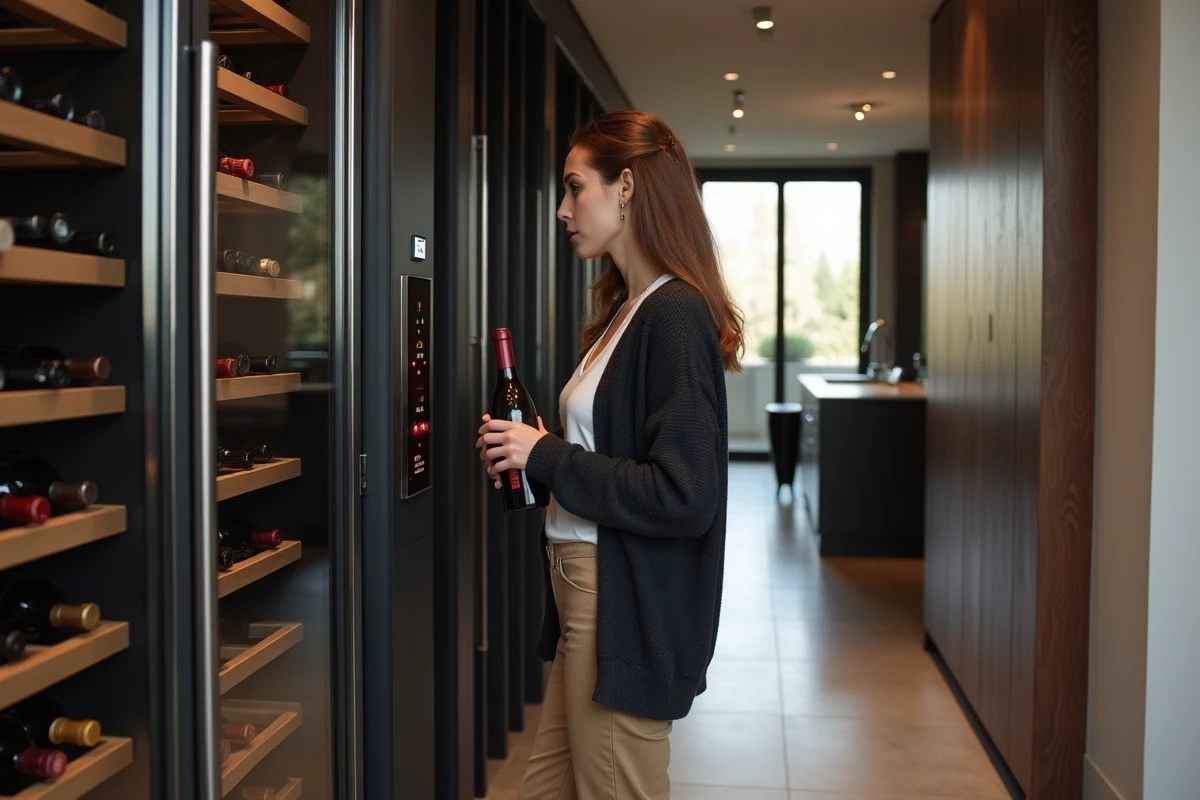
Choosing the right wine cellar to ensure thermal stability
Thermal stability is not an option for those who want to preserve their wines. A proper wine cellar must meet several requirements. The first mission: maintain a constant temperature, around 12°C, to avoid variations that damage aromas and accelerate aging. In an aging cellar, every thermal fluctuation leaves an indelible mark on the finesse of the wine.
Humidity closely follows: a humidity level between 60% and 80% protects the cork. If too low, the cork dries out and crumbles, allowing oxygen in; if too high, mold settles in, and labels peel off. Regular monitoring with a hygrometer is recommended, with the use of a humidifier or dehumidifier if necessary.
Light remains the enemy: prefer a dark space, away from direct rays. Air should also circulate without excess, through a charcoal filter and controlled ventilation, to limit unwanted odors and ensure a healthy environment for your bottles.
To maximize the quality of preservation, here are some practical tips:
- Store bottles lying down to keep the cork in contact with the wine.
- Organize your space: whites at the bottom, rosés in the middle, reds at the top.
- Minimize vibrations and handling to allow the wine to evolve quietly.
A wine cellar is not just another piece of furniture. It is a whole universe, where every detail matters, from the earthen floor to the choice of exposure. An environment designed for wines to age at their own pace, never losing the memory of their terroir.