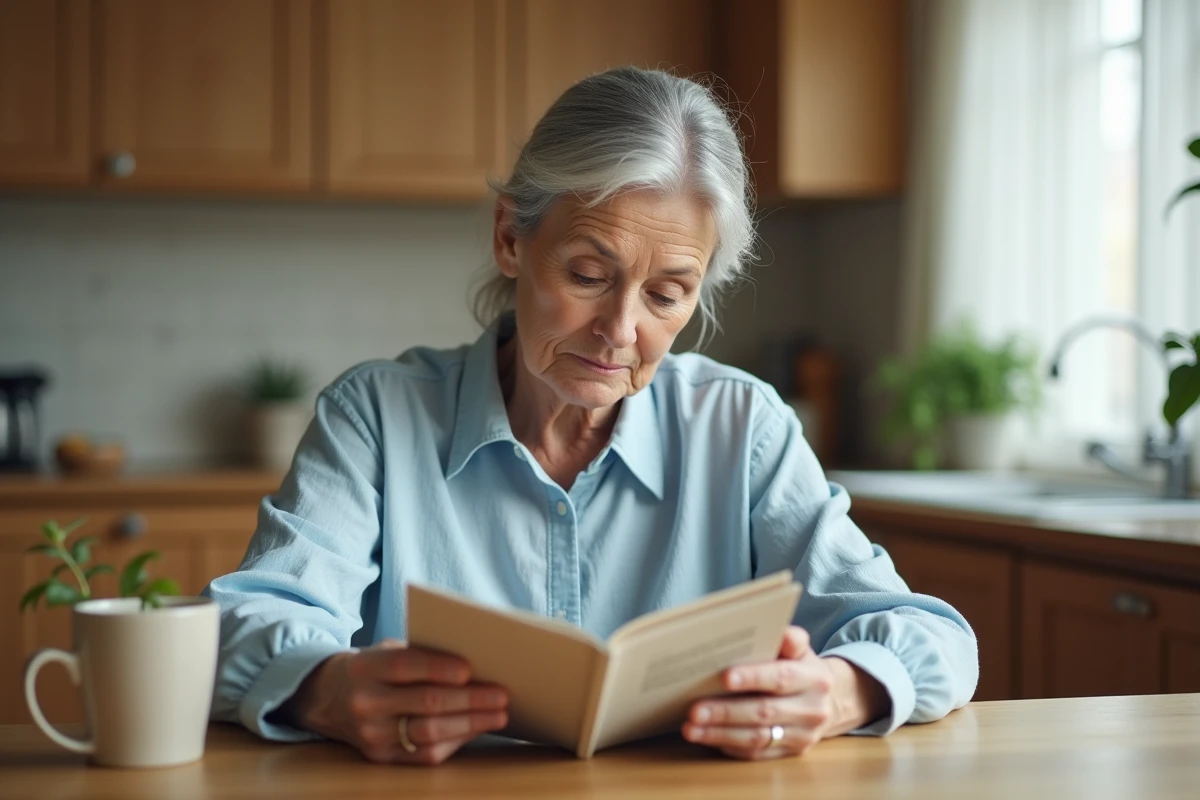
After 60, the body does not always signal its needs in the same way. Thirst decreases, appetite fluctuates, and sleep becomes fragmented. Aging well is not just about following a list of good habits: it’s about learning to decode these more subtle signals to adapt daily life before discomfort sets in.
Health budget for seniors: the costs that really weigh
Have you ever compared the amount reimbursed by health insurance for a pair of glasses with the actual price in stores? For those over 60, the gap between the basic rate and actual spending widens in three specific areas: optics, hearing, and dental care.
The out-of-pocket expenses for these services lead many seniors to postpone getting hearing aids or dental prosthetics. This delay has direct consequences: social isolation due to hearing loss, malnutrition caused by untreated dental pain.
Comparing coverage item by item before choosing supplementary insurance makes a bigger difference than just ranking by monthly price. The detailed sheets available on the Santé 365 portal for seniors help identify contracts suited to these specific needs.
Another often underestimated area: hospitalization. After a hip fracture or heart surgery, excess fees and a private room can represent a significant amount. Checking the hospitalization reimbursement cap in one’s contract prevents unpleasant surprises at discharge.

Early detection of loss of autonomy: act before the fall
Loss of autonomy does not start the day someone falls in their hallway. It develops in small steps, often invisible to those around: a shopping bag that is harder to carry, a name that is forgotten more often, a trip to the market that is postponed.
Identifying these weak signals several months before a crisis changes the trajectory. Health professionals increasingly use functional assessment grids that measure five capabilities: mobility, memory, mood, vision, and hearing.
This type of evaluation does not necessarily require a specialized appointment. A trained general practitioner can integrate these quick tests into a standard consultation. The approach is simple: ask a few targeted questions, observe gait, check standing balance.
When to request an evaluation
Several situations justify not waiting for the next annual visit:
- An involuntary weight loss of more than one kilogram per month, even without dieting, which may indicate early malnutrition or a chewing problem
- New difficulties in climbing stairs or getting up from a chair, signs of muscle weakening (sarcopenia) that is still reversible at this stage
- A gradual social withdrawal, such as giving up a regular activity or avoiding group meals, sometimes related to uncorrected hearing discomfort
Sarcopenia is better corrected when detected early, through appropriate muscle work and sufficient protein intake.
Nutrition after 65: prioritize protein and vitamin D
Protein needs increase with age, while appetite decreases. A senior’s body absorbs dietary proteins less effectively, meaning more must be consumed to maintain the same muscle mass.

In practice, this means including a source of protein at every meal: eggs for breakfast, fish or meat for lunch, dairy products or legumes for dinner. Spreading protein intake over three meals yields better results than a single meat-rich meal.
Vitamin D poses another problem. Its synthesis by the skin decreases after 60, and dietary sources (fatty fish, egg yolk) rarely meet needs. Supplementation prescribed by the general practitioner remains the most reliable solution, especially between October and March when sunlight decreases.
Hydration: a reflex to schedule
The sensation of thirst decreases with age. Waiting until you are thirsty to drink exposes you to chronic dehydration, which worsens fatigue, concentration issues, and the risk of urinary infections.
Drinking regularly in small amounts throughout the day works better than large quantities at meals. Still water, herbal tea, broth, or soup all count towards daily hydration.
Home modifications: fall prevention at home
The majority of falls among seniors occur at home. The bathroom and stairs concentrate risks, but poorly lit hallways or unsecured rugs can also cause accidents.
The most effective adaptations are often the least expensive:
- Grab bars in the shower and near the toilet, fixed to the wall (not by suction)
- Automatic lighting with motion sensors in hallways and stairs, to avoid searching for a switch in the dark
- Replacing the bathtub with a walk-in shower, which eliminates the need to step over, the leading cause of slips
- Removing unsecured rugs and electrical extensions on the floor
An occupational therapist can assess the home and recommend priority adaptations. Some retirement funds offer partial coverage for this visit and the resulting work.

Home modifications are not just about physical safety. Sufficient lighting, clear space for movement, and easy access to everyday items also reduce fatigue and the feeling of dependence. Adapting one’s environment early, before a fall forces the decision, allows for staying at home longer under good conditions.